Showing posts with label food. Show all posts

Saturday, October 4, 2014

Right to farm being stripped from Americans: Michigan to criminalize small family farms with chickens, goats, honey bees and more

May 02, 2014
by Mike Adams, the Health Ranger
Source: Natural News

 NaturalNews) In the latest stunning assault on Americans' right to grow their own food, the freedom-crushing state of Michigan has ruled that local governments (cities, towns, counties) can now ban any animal they wish from small residential farms. The move opens the door to the mass criminalization of backyard farms and small, residential farming operations where people might keep a few goats or honey bees for food security.

According to Michigan Public Radio (1), the ruling could ban all chickens, goats, honey bees and other animals from farms which have another residential house less than 250 feet away.

Off The Grid News(2) goes on to report:

Some homesteaders in Michigan could find themselves in a complete regulatory limbo because of the Commission's action. Blogger, writer and organic farmer Michelle Regalado Deatrick does not know if she'll be able to keep her livestock, because about half of her 80-acre farm may not be zoned for farm animals.

"We're building up a mixed production farm, planning to farm during retirement, and we have a permit in hand for a livestock facility," Deatrick said, "...Now we're having to reconsider our business plans and may sell the farm and buy a farm in a more rural area with definite [Right To Farm] protection, or move to another state that's more welcoming and protective of small farm rights."


Michigan DNR previously ordered small local farmer to shoot his own pigs

Michigan is the same state where the DNR (Department of Natural Resources) ordered one small, local farmer to shoot all his pigs because they were the wrong "race" of pigs. This genocidal demand by the Michigan state government echoes a tyrannical anti-farming agenda at the highest levels of state government.

Michigan is also the state where Julie Bass of Oak Park was threatened with jail time for teaching her children how to grow vegetables in their own home garden. All charges against Julie were later dropped after Natural News and other independent news sources publicly shamed Oak Park bureaucrats into backing down.

Nationwide, people who attempt to grow their own food are routinely threatened with arrest and fines. One woman in Oklahoma suffered the complete destruction of her medicinal herb landscaping by local city officials who raided her home garden while she was away.

The war against small farms is an attack against America

This obscene war against small farms is an attack against America herself. Our heritage, values, and culture are forever interwtined with small local farms.

Attacks against small local farms are also attacks on America's food security. Local, independent food production provides a buffer against systemic food failures that might occur, for example, after an EMP attack causes a national power grid blackout. Without power, centralized systems of food production, harvesting, transportation and retailing cannot function. But small, local farms can still produce food without electricity. So any attack against local farming is, in essense, an attack on America's national security.

And no state seems to be more determined to undermine America's national food security than Michigan, where state leaders appear to be even more insane than the leaders of Illinois.

Natural News urges farmers everywhere to fight back against this insanity and stand up for your divine right to produce your own food on your own property. Any government "authority" that attempts to take this right away from you is no authority at all: it is a tyranny.

With food prices already skyrocketing nationwide, and food security on the brink of systemic failures, only a government run by absolute fools would try to limit local food production. Perhaps when these bureaucrats are all starving one day, they can eat their regulations.

Sources for this article include:
(1) http://michiganradio.org/post/state-agricult...
(2) http://www.offthegridnews.com/2014/05/02/mic...

Thursday, August 14, 2014

Cholesterol drug risks 'being ignored'

14 August 2014
Eilish O'Regan
Source:  Independent.ie

MEDICINES that lower cholesterol – hailed as wonder-drugs in the battle against heart disease – may be doing more harm than good to otherwise healthy people.

Statins are taken by more than 250,000 Irish people to help lower "bad cholesterol", a risk factor for heart disease and stroke.

However, a review by one of the country's leading vascular surgeons has found a lack of evidence to show that statins should be given as a means of prevention to healthy people who have high cholesterol but no heart disease.

Sherif Sultan, of University College Hospital in Galway, warned that statin use can increase the risk of diabetes, cataracts and male impotence.

"They can also significantly increase the risk of cancer and neurodegenerative disorders such as Parkinson's disease in the elderly, along with a myriad of infectious diseases," he said.

Mr Sultan said there were benefits in prescribing some dosages of statins for certain patients already diagnosed with heart disease or who had a history of heart attack or stroke.

However, otherwise healthy people with high cholesterol would do better losing weight, improving their diet, taking exercise and stopping smoking to avoid heart disease.

Mr Sultan and his colleague Niamh Hynes based their findings on a review of studies involving nearly 400,000 patients published in the 'Journal of Endocrine and Metabolic Diseases'.

He said his findings showed major adverse effects had been under-reported, which he said was a "scientific farce".

There is ample evidence to show statins increase cardiovascular risk in women, patients with diabetes and the young.

Too many doctors had fallen into the marketing trap behind the over-selling of statins and ignored side-effects linked to different doses, said Mr Sultan.

SIDE-EFFECTS

Other potential side-effects include inflammation of the liver, muscle and joint pain and insomnia.
Patients for whom Mr Sultan makes an exception are those with high cholesterol because of an inherited faulty gene which cannot be reduced by lifestyle changes. In that case, he would prescribe a statin.

He advises his own patients to adjust their lifestyle and to exercise regularly, go off wheat, increase their intake of greens, drink three litres of water a day and try not to eat after their evening meal.
Around 250,000 prescriptions for statins are written every month, and they account for 8pc of the HSE's €1.7bn annual drugs spend.

The Irish Medicines Board has received 59 reports of suspected adverse reactions to statins since the start of 2012.

Dr Angie Brown, the medical director of the Irish Heart Foundation, said the mainstay of preventing heart disease involved lifestyle changes including stopping smoking, being active, having a healthy weight and getting blood pressure and cholesterol checked.

"In some individuals with a significant risk of developing cardiovascular disease or with very high cholesterol levels, it may not be possible to reduce levels sufficiently with lifestyle change alone, and in these people the advice is to start a cholesterol-reducing tablet," she said.

Irish Independent

Saturday, August 9, 2014

6 Things You Didn't Know About Watermelon

July 21, 2014 | 
By Dr. Mercola
Source: mercola.com
  
 In the US, July is National Watermelon Month, so named not only because a cool, refreshing slice of watermelon represents the epitome of summer, but also because watermelon harvests peak this month.1
Watermelon is now the most-consumed melon in the US (followed by cantaloupe and honeydew). This cousin to cucumbers, pumpkins, and squash is thought to have originated in Egypt close to 5,000 years ago, where it is depicted in hieroglyphics.
Today, upwards of 300 watermelon varieties are grown in the US and Mexico (although only about 50 are popular).2 You may think you know everything there is to know about this summertime fruit, but allow me to surprise you… watermelon is more than just delicious… it’s a super-healthy addition to your diet (in moderation, of course).

You just need to be careful when eating any melon, including watermelon to follow the advice of Wayne Pickering in my interview. Eat melon alone or leave it alone because it will make your stomach groan. So ideally, no food 30 minutes before or after eating melons.

6 Watermelon Facts That Might Surprise You

1. Watermelon Has More Lycopene Than Raw Tomatoes
Lycopene is a powerful carotenoid antioxidant that gives fruits and vegetables a pink or red color. It’s most often associated with tomatoes, but watermelon is actually a more concentrated source.

Compared to a large fresh tomato, one cup of watermelon has 1.5 times the lycopene (6 milligrams (mg) in watermelon compared to 4 mg in a tomato).3 More on why lycopene is so important shortly…
2. Watermelon Juice May Relieve Muscle Soreness
If you have a juicer, try juicing about one-third of a fresh watermelon and drinking its juice prior to your next workout. This contains a little over one gram of l-citrulline, an amino acid that seems to protect against muscle pain.
One study found that men who drank natural unpasteurized watermelon juice prior to their workouts had reduced muscle soreness 24 hours later compared to those who drank a placebo.4

You do need to be careful with drinking watermelon juice, though, as it contains a significant amount of fructose. It may be better to eat the entire fruit, or opt for these other tips to prevent muscle soreness.
3. Watermelon Is a Fruit and a Vegetable
Remember how watermelon is related to cucumbers, pumpkin, and squash? That’s because it’s part vegetable and part fruit (it’s a sweet, seed-producing plant, after all).5 The other clue that watermelon is both fruit and vegetable? The rind is entirely edible…
4. You Can Eat Watermelon Rind and Seeds
Most people throw away the watermelon rind, but try putting it in a blender with some lime for a healthy, refreshing treat.6 Not only does the rind contain plenty of health-promoting and blood-building chlorophyll, but the rind actually contains more of the amino acid citrulline than the pink flesh.7 
Citrulline is converted to arginine in your kidneys, and not only is this amino acid important for heart health and maintaining your immune system, but it has been researched to have potential therapeutic value in over 100 health conditions.8

While many people prefer seedless watermelon varieties, black watermelon seeds are edible and actually quite healthy. They contain iron, zinc, protein, and fiber. (In case you were wondering, seedless watermelons aren’t genetically modified, as they’re the result of hybridization.9)
5. It’s Mostly Water
This might not be surprising, but it’s still a fun fact; watermelon is more than 91 percent water.10 This means that eating watermelon with you on a hot summer day is a tasty way to help you stay hydrated and avoid dehydration (it’s not a substitute for drinking plenty of fresh water, however).
6. Some Watermelon Are Yellow
The Yellow Crimson watermelon has yellow flesh with a sweeter, honey flavor than the more popular pink-fleshed Crimson Sweet. It’s likely that yellow watermelon offers its own unique set of nutritional benefits, but most research to date has focused on the pink-fleshed varieties.11

Lycopene: Watermelon’s Nutritional Claim to Fame

Watermelon is an excellent source of lycopene, with upwards of 6,500 micrograms (6.5 mg) in less than half a cup (the red-fleshed varieties will contain significantly more lycopene than yellow-fleshed watermelon).

Also noteworthy, the lycopene in watermelon appears to be quite stable, with little deterioration occurring even after it’s been cut and stored in the refrigerator for more than two days. In one study, it took about seven days of storage for the lycopene to deteriorate, and then it was only by about 6 percent to 11 percent.12

So what makes lycopene so important? Lycopene's antioxidant activity has long been suggested to be more powerful than that of other carotenoids, such as beta-carotene. In one study, after controlling for other stroke risk factors, such as older age and diabetes, they found that men with the highest blood levels of lycopene were 55 percent less likely to have a stroke than those with the lowest.13

A 2014 meta-analysis also revealed that lycopene decreased stroke risk (including stroke occurrence or mortality) by more than 19 percent.14 In addition to lowering your risk of stroke, lycopene has been shown to have potential anti-cancer activity, likely due to its potent antioxidant properties.

A 2014 meta-analysis of 10 studies also showed that dietary lycopene may protect against the risk of ovarian cancer among postmenopausal women.15 There is also some evidence from animal studies that lycopene may help with cancer treatment as well.
One study found that lycopene treatment reduced the growth of brain tumors while another showed frequent lycopene intake suppressed breast tumor growth in mice.16

Watermelon Extract May Significantly Reduce Blood Pressure

New research also highlights the role of watermelon nutrients on heart attack prevention, via a significant reduction in blood pressure. Obese study participants who received citrulline and arginine supplements derived from watermelon extract had significant improvements in blood pressure and cardiac stress, both while at rest and undergoing a stressful cold-water test.17 According to the researchers:
“Watermelon supplementation reduced aortic BP [blood pressure] and myocardial oxygen demand during CPT [cold pressor test] and the magnitude of the cold-induced increase in wave reflection in obese adults with hypertension. Watermelon may provide cardioprotection by attenuating cold-induced aortic hemodynamic responses.”
Remember, in your body the citrulline in watermelon is converted into L-arginine, which is a precursor to nitric oxide. Adequate nitric oxide is required to enable you blood vessels to stay relaxed and open for blood flow, which is one reason why it may help lower blood pressure.

Watermelon for Inflammation, Sexual Health, and More

L-arginine may also help with erectile dysfunction by helping to relax your blood vessels, including those supplying blood to your penis – and that’s why watermelon is sometimes referred to as “Nature’s Viagra.” In fact, citrulline supplementation has been found to improve erection hardness in men with mild erectile dysfunction.18

What else is watermelon good for? It’s rich in anti-inflammatory substances. For instance, watermelon contains the anti-inflammatory antioxidant lycopene as well as cucurbitacin E, or tripterpenoid, which reduces the activity of the pain and inflammation-causing enzyme cyclooxygenase – the same enzyme blocked by COX-2 inhibitors, which include most NSAIDs like aspirin and ibuprofen. While being very low in calories (about 46 calories in a cup), watermelon also contains an impressive variety of other important nutrients in which many Americans are lacking, including:
  • Vitamin C
  • Vitamin B6
  • Potassium
  • Vitamin A
  • Magnesium

For more info: http://articles.mercola.com/sites/articles/archive/2014/07/21/watermelon-nutrition.aspx.


Wednesday, July 2, 2014

Lycopene Matches Statins in Improving Blood Vessel Function

June 24th 2014
Source: GreenMedInfo
 
We've known for decades that cardiovascular disease is notably lower in southern Europe especially compared to the U.S.  The Mediterranean diet, consisting of more fruits, vegetables, and olive oil, usually gets the credit. It's been shown to reduce the number of heart attacks and strokes in patients with high cardiovascular risk.

Now researchers have identified a key nutrient in the Mediterranean diet that deserves special mention.  They found that lycopene, a carotenoid found abundantly in tomatoes, helps reduce cardiovascular disease risk.

Lycopene gives tomatoes and other fruits and vegetables a distinctive red color.  It's a powerful antioxidant and 10 times more potent than vitamin E.  

In a study published in the journal PLOS One, researchers at the University of Cambridge demonstrate how lycopene improves the function of blood vessels in patients with cardiovascular disease.[i]

The researchers noted that in spite of aggressive cholesterol lowering with statins and other drugs, cardiovascular patients were still at risk of heart attack and stroke.  They believed that risk was due to impaired endothelial function.

The endothelium is a thin layer of cells that lines the inside of blood vessels and helps facilitate blood flow. Endothelial function predicts future cardiovascular events.  Having a healthy endothelium is considered an important factor in preventing heart disease.

In a randomized, double blind, placebo controlled, interventional trial the Cambridge researchers recruited 36 cardiovascular disease patients and 36 healthy volunteers.  The patients with cardiovascular disease were all on cholesterol-lowering statin drugs. Despite this, they still had a relatively impaired function of the endothelium compared to the healthy volunteers.

Half the subjects were given 7 mg per day of lycopene and the other half received a placebo.  The researchers measured forearm blood flow which is the gold standard for gauging the function of blood vessels.

They found that 7 mg of oral lycopene supplementation improved and normalized endothelial function in the patients, but not in healthy volunteers.

In just two months, lycopene improved the widening of the blood vessels by over a half (53%) compared to baseline in those taking the supplement.  That's important because constriction of the blood vessels is one of the key factors that can lead to heart attack and stroke.

The researchers noted that in spite of the statin medication, endothelial function was impaired in the patients with cardiovascular disease.  They also noted that the lycopene supplements significantly improved endothelial function even though there were no changes in blood pressure, lipid profiles or inflammation.

They also noted that the 53% improvement in endothelial function from 7 mg of lycopene was comparable to the effect other studies found with 20 mg of the drug simvastatin in high cholesterol patients.[ii]  But the lycopene was able to effect improvements that went beyond statin therapy in these patients with atherosclerosis.

And of course, lycopene does not have the problems related to statins which have been found to have over 300 adverse health problems. 

Lycopene is found naturally in tomatoes.  It's more potent when it's pureed and cooked.  Its power is also enhanced when cooked or consumed with olive oil, as is common in Mediterranean countries.
Watermelon and guava also contain significant amounts of lycopene. Other good sources include papaya, pink grapefruit, red bell peppers, purple cabbage, carrots, asparagus, and mangoes.

Link:greenmedinfo.com/blog/lycopene-matches-statins-improving-blood-vessel-function. 
 

Saturday, June 14, 2014

Can Eating Certain Foods Starve Cancer? An Anti-Cancer Diet

June 12th, 2014
by  
Source:Natural Society

There is little doubt that a healthy diet can help reduce your risk of cancer, but did you know that certain foods can assist in the annihilation of existing cancer cells as well, helping your body to fight off the potentially fatal disease? These foods encourage something called angiogenesis, and could hold the key to an anti-cancer diet.

Angiogenesis is the process of new blood vessels forming from existing vessels. Generally, it’s a good thing, but in the case of tumors, angiogenesis can be negative, feeding the cancer and advancing it.

As the American Cancer Society reports, a whole class of drugs addresses this. Known as angiogenesis inhibitors, they are designed to stop the formation of these tumor-feeding vessels and slow the growth of cancerous tumors. But what you may not know is that some foods could have similar properties.

A recent study published in the Journal of the National Cancer Institute looked at the effects of lycopene on prostate cancer, and found men who received more dietary lycopene (found in tomato products) had a reduced risk of prostate cancer. Further, the researchers suggested these benefits were possibly due to the angiogenic effects of the nutrient.
“Dietary intake of lycopene was associated with reduced risk of lethal prostate cancer and with a lesser degree of angiogenesis in the tumor,” the study concluded. “Because angiogenesis is a strong progression factor, an endpoint of lethal prostate cancer may be more relevant than an endpoint of indolent prostate cancer for lycopene in the era of highly prevalent prostate-specific antigen screening.”
Other foods that may have anti-angiogenic properties include:
  • Green tea
  • Grapes
  • Kale
  • Berries
  • Citrus fruits
  • Turmeric
  • Parsley
  • Olive and grape seed oils
  • Dark chocolate
  • Garlic
  • Lavender
  • Apples
  • And others (Here are 4 cancer-fighting foods).
“One of the limitations of antiangiogenic therapy today is that we’re primarily treating very advanced disease,” says Dr. William Li, president of the Angiogenesis Foundation. “So we started a research program looking at natural sources of angiogenesis inhibitors, and what we discovered is that Mother Nature has laced many foods and beverages with naturally occurring inhibitors.”
Li, and many others, believe food should play a bigger role in cancer treatments and prevention. Angiogenesis is the basis of his life work.
“Drugs are prescribed by doctors, but what happens in between the times you see your doctor? There has been a huge gap in the research when it comes to arming patients with their own tools,” Li says. “We want to shift the paradigm away from relying only on the doctor by putting information in the hands of the patient, and a major part of that shift is changing how we think about food.”


Saturday, June 7, 2014

Top 10 Foods Highest in Magnesium

Source: Health Alicious Ness.com

Magnesium is an essential mineral required by the body for maintaining normal muscle and nerve function, keeping a healthy immune system, maintaining heart rhythm, and building strong bones. Magnesium is also involved in at least 300 biochemical reactions in the body. A deficiency in magnesium can lead to muscle spasms, cardiovascular disease, diabetes, high blood pressure, anxiety disorders, migraines, osteoporosis, and cerebral infarction. Conversely, consuming too much magnesium typically causes diarrhea as the body attempts to excrete the excess. The current DV for magnesium is 400mg. Below is a list of high magnesium foods, for more, see the lists of high magnesium foods by nutrient density, magnesium rich foods, vegetables high in magnesium, and fruits high in magnesium.
 

#1: Dark Leafy Greens (Raw Spinach)
Magnesium in 100g1 Cup Raw (30g)1 Cup Cooked (180g)
79mg (20% DV)24mg (6% DV)157mg (39% DV)
 
Other Greens High in Magnesium (%DV per cup cooked): Swiss Chard (38%), and Kale (19%). Click to see complete nutrition facts.


#2: Nuts and Seeds (Squash and Pumpkin Seeds)
Magnesium in 100g1/2 Cup (113g)1 Ounce (28g)
534mg (134% DV)606mg (152% DV)150mg (37% DV)
 
Other Nuts and Seeds High in Magnesium (%DV per 1/2 cup): Sesame Seeds (63%), Brazil Nuts (63%), Almonds (48%), Cashews (44% DV), Pine nuts (43%), Mixed Nuts (39%), and Peanuts (31%), Pecans (17%), Walnuts (16%). Click to see complete nutrition facts.


#3: Fish (Mackerel)
Magnesium in 100gPer 3oz Fillet (85g)
97mg (24% DV)82mg (21% DV)
Other Fish High in Magnesium (%DV per 3oz fillet (85g)): Pollock (18% DV), Turbot (14% DV), Tuna (14% DV), and most other fish at an average of 8% DV. Click to see complete nutrition facts.

#4: Beans and Lentils (Soy Beans)
Magnesium in 100g1 Cup Cooked (172g)
86mg (22% DV)148mg (37% DV)
Other Beans and Lentils High in Magnesium (%DV per cup cooked): White Beans (28%), French Beans (25%), Black-eyed Peas (23%), Kidney Beans (21%), Chickpeas (Garbanzo) (20%), Lentils (18%), Pinto Beans (16%), . Click to see complete nutrition facts.

#5: Whole Grains (Brown Rice)
Magnesium in 100g1 Cup Cooked (195g)
44mg (11% DV)86mg (21% DV)
Other Whole Grains High in Magnesium (%DV per cup cooked): Quinoa (30%), Millet (19%), Bulgur (15%), Buckwheat (13%), Wild Rice (13%), Whole Wheat Pasta (11%), Barley (9%), Oats (7%). Click to see complete nutrition facts.

#6: Avocados
Magnesium in 100g1 Avocado (201g)1/2 Cup Pureed (115g)
29mg (7% DV)58mg (15% DV)33mg (9% DV)
An average avocado provides 322 calories, half a cup pureed contains 184 calories. Click to see complete nutrition facts.

#7: Low-Fat Dairy (Plain Non Fat Yogurt)
Magnesium in 100g1 Cup (245g)
19mg (5% DV)47mg (12% DV)
Other Dairy Foods High in Magnesium (%DV per 100g): Goat Cheese (Hard) (14% DV), Nonfat Chocolate Yogurt (10% DV) and Nonfat Mozzarella (8%). Click to see complete nutrition facts.

#8: Bananas
Magnesium in 100g1 Medium (63g)1 Cup Slices (150g)
27mg (7% DV)32mg (8% DV)41mg (10% DV)
Click to see complete nutrition facts.

#9: Dried Fruit (Figs)
Magnesium in 100g1/2 Cup (75g)1 Fig (8g)
68mg (17% DV)51mg (13% DV)5mg (1% DV)
Other Dried Fruit High in Magnesium (%DV per 1/2 cup): Prunes (11%), Apricots (10%), Dates (8%), and Raisins (7%). Click to see complete nutrition facts.

#10: Dark Chocolate
Magnesium in 100g1 Square (29g)1 Cup Grated (132g)
327mg (82% DV)95mg (24% DV)432mg (108% DV)
1 square of dark chocolate provides 145 calories. Click to see complete nutrition facts.

Read more at http://www.healthaliciousness.com/articles/foods-high-in-magnesium.php#2x4g67LWeMiFZXx5.99
 

Magnesium Deficiency Symptoms and Diagnosis

May 20th 2013
Written By:
Dr. Mark Sircus
Source: Green Med Info
 

Magnesium Deficiency Symptoms and Diagnosis
Magnesium deficiency is often misdiagnosed because it does not show up in blood tests – only 1% of the body's magnesium is stored in the blood.

Most doctors and laboratories don't even include magnesium status in routine blood tests. Thus, most doctors don't know when their patients are deficient in magnesium, even though studies show that the majority of Americans are deficient in magnesium.

Consider Dr. Norman Shealy's statements, "Every known illness is associated with a magnesium deficiency" and that, "magnesium is the most critical mineral required for electrical stability of every cell in the body. A magnesium deficiency may be responsible for more diseases than any other nutrient." The truth he states exposes a gapping hole in modern medicine that explains a good deal about iatrogenic death and disease. Because magnesium deficiency is largely overlooked, millions of Americans suffer needlessly or are having their symptoms treated with expensive drugs when they could be cured with magnesium supplementation.

One has to recognize the signs of magnesium thirst or hunger on their own since allopathic medicine is lost in this regard. It is really something much more subtle then hunger or thirst but it is comparable. In a world though where doctors and patients alike do not even pay attention to thirst and important issues of hydration, it is not hopeful that we will find many recognizing and paying attention to magnesium thirst and hunger, which is a dramatic way of expressing the concept of magnesium deficiency.

Few people are aware of the enormous role magnesium plays in our bodies. Magnesium is by far the most important mineral in the body. After oxygen, water, and basic food, magnesium may be the most important element needed by our bodies; vitally important, yet hardly known. It is more important than calcium, potassium or sodium and regulates all three of them. Millions suffer daily from magnesium deficiency without even knowing it

In fact, there happens to be a relationship between what we perceive as thirst and deficiencies in electrolytes. I remember a person asking, "Why am I dehydrated and thirsty when I drink so much water?" Thirst can mean not only lack of water but it can also mean that one is not getting enough nutrients and electrolytes. Magnesium, Potassium, Bicarbonate, Chloride and Sodium are some principle examples and that is one of the reasons magnesium chloride is so useful.
 

Saturday, May 24, 2014

Eight Common Diseases Linked to Vitamin D Deficiency

Source:Healthy Holistic Living.com


The cure for some of the most common and debilitating health conditions today may be as elemental as simply correcting a nutrient deficiency that plagues millions of Westerners: Vitamin D deficiency. Here are eight common diseases that have been scientifically linked to a chronic lack of vitamin D:

For more information: 
 healthy-holistic-living.com/eight-common-diseases-linked-vitamin-d-deficiency.html.

Tuesday, May 20, 2014

Five Foods that can treat insomnia and improve sleep

May 19,2014
by Michael Ravensthorpe
Source: Natural News


(NaturalNews) According to the Stanford Center for Sleep Sciences and Medicine, nearly 1 in 10 adults in the United States suffers from insomnia. Although most of these people suffer from short-term insomnia, many of them also suffer from chronic insomnia (i.e., difficulty falling or staying asleep for more than six months). Such sleep deprivation can significantly decrease the quality of one's life.

While stress related to work and family remains the number one cause of insomnia, eating the wrong foods -- such as those rich in sugar, caffeine, gluten or polyunsaturated fat -- can also contribute to insomnia. Therefore, improving one's diet is an important first step toward ending insomnia, especially if one favors foods that are known to improve sleep.

Five foods that aid sleep

1.) Almonds -- Almonds are one of the best foods for treating insomnia since they're excellent sources of magnesium, which is a natural muscle relaxant and contains anti-stress properties. A study published in the Journal of Research in Medical Sciences in December 2012 found that magnesium supplementation could "improve subjective measures of insomnia, such as ISI score, sleep efficiency, sleep time and sleep onset latency, early morning awakening, and likewise, insomnia objective measures, such as concentration of serum renin, melatonin and serum cortisol, in elderly people."

2.) Cherries -- Cherries and cherry products have often been linked to improved sleep. For example, a study published in the European Journal of Nutrition in December 2012 found that volunteers who consumed a tart cherry juice concentrate for seven days demonstrated "significantly elevated" total melatonin content in their urine compared to the control group. Consequently, the study group experienced improved sleep quality and efficiency.

3.) Bananas -- Many people are often surprised to find that bananas can aid sleep, since they're well-known for boosting energy. Nonetheless, bananas are also rich in magnesium, potassium and tryptophan, which are the "magic trio" of sleep boosters. Tryptophan is especially effective in this regard since it is the precursor to the two neurotransmitters, serotonin and melatonin, which modulate sleep.

4.) Valerian -- The root of the valerian plant, which is usually consumed in tea or tincture form, has been used as a sleeping aid since Ancient Greece and Rome. Moreover, its sedative and anxiolytic properties have been proven by numerous studies. For example, a 2011 study published in Menopause found that valerian extracts provided a "statistically significant" improvement in sleep quality among postmenopausal women suffering from insomnia. The study authors concluded that the "findings from this study add support to the reported effectiveness of valerian in the clinical management of insomnia."

5.) Oatmeal -- Although oatmeal is usually associated with breakfast, its nutritional composition -- high in magnesium and potassium -- also makes it a suitable evening food. Even the very nature of oatmeal (warm, soothing and soft) is indicative of sleep and calm. Moreover, oatmeal tends to be mixed with milk, which is one of the best-known relaxation drinks.

Sources for this article include:

http://stanfordhospital.org
http://www.ncbi.nlm.nih.gov/pubmed/23853635
http://www.ncbi.nlm.nih.gov/pubmed/22038497
http://www.ncbi.nlm.nih.gov/pubmed/21775910
http://science.naturalnews.com/Insomnia.html

About the author:
Michael Ravensthorpe is an independent writer whose research interests include nutrition, alternative medicine, and bushcraft. He is the creator of the website, Spiritfoods, through which he promotes the world's healthiest foods.


Friday, April 25, 2014

Healing Benefits of Garlic

April 15, 2014
by


Garlic nutritional profile

Garlic is considered one of the most versatile foods when it comes to healing the body. It’s strong antibacterial, viral, and fungal properties support the immune system and helps destroy any foreign invaders which may cause disease in the body.
What are some of the things garlic contains that make it so powerful? Check out the following nutritional profile:
  • Contains beneficial amounts of vitamin B-6 and vitamin C, as well as thiamin
  • Rich in manganese, selenium, calcium, phosphorus, copper, potassium, and zinc
  • Contains powerful antioxidants
  • Is renowned for allicin, a phytochemical that is a very potent immune stimulator
The healing benefits of garlic are large in part due to its potent allicin content.

 Due to its remarkable immune stimulating properties, garlic has some incredible healing action that is hard to beat. It has been used successfully for the following:
  • Increasing the powers of the immune systems natural killer (NK) cells
  • Shrinking tumours, including stomach, colon, and breast and prostate cancer
  • Detoxifying lead, mercury, and aluminum from your body
  • Promoting cardiovascular health
  • Treatment of yeast overgrowth (Candida)
  • Destruction of meningitis
  • Lowering blood pressure and cholesterol
  • Destroying pathogenic bacteria
  • Repelling mosquitos, ticks, and parasites (as well as removing internal parasites such as tapeworm)
With such a wide variety of benefits and healing action that addresses the root of many diseases today (compromised immune function), garlic is well worth the stink.


How to use garlic in your diet

Garlic has a wide variety of uses in your diet, but the key to its benefits is to eat it as raw as possible, and within 10-30 minutes after being chopped, pressed, chewed, or juiced. This will ensure you get the maximum benefits from the key component, allicin.


For more information: http://www.healingthebody.ca/healing-benefits-of-garlic/.


Sunday, March 9, 2014

Aspartame Linked to Leukemia & Lymphoma in Groundbreaking Study


by
Source: collective-evolution


Each year, Americans consume about 5,250 tons of aspartame in total. 86 percent of this aspartame (4,500 tons) is from the consumption of diet sodas. Diet soda is the largest dietary source of aspartame  in the U.S. A study recently published at the beginning of December 2012 links the consumption of Aspartame to increased risk of Lymphoma and Leukemia. The study was conducted by the Channing Division of Network Medicine, Department of Medicine, Brigham and Women’s Hospital and Harvard Medical School, Boston, MA and Nutrition, Harvard School of Public Health, Boston, MA. The study was a follow up after a 22 year period of data collection including frequent dietary and health check ups of the study group.

We have covered the subject of aspartame on several occasions that included findings that deomstrate how aspartame damages the brain. This new study suggests that as little as a single 355ml can of diet soda daily greatly increases the risk for cancers in men and women. It can also increase the risk of multiple myeloma and non-Hodgkin lymphoma in men. The results of this study forces us to really look at the effects of aspartame as there has never been a more comprehensive, long term study ever done on the topic. It is important to note that this can also reveal many more serious diseases and illnesses as data is observed even further.

The Most Comprehensive Study to Date on Aspartame
This study tracks over two million person-years giving it a huge pile of data to generate results from. Researchers prospectively analyzed data from the Nurses’ Health Study and the Health Professionals Follow-Up Study for a 22-year period. A total of 77,218 women and 47,810 men were included in the analysis, for a total of 2,278,396 person-years of data. It is not just the sample size of this study that makes it impressive, it is also the thoroughness with which aspartame intake was assessed in comparison to previous studies. Over the course of the study, every two years participants were given a detailed dietary questionnaire, and their diets were reassessed every four years. Shockingly, previous studies done on aspartame who revealed no link between aspartame and cancer in humans, only assessed participants’ aspartame intake at one point in time. This poses a major weakness in the accuracy of previous studies.

The combined results of this new study showed that just one 12-fl oz. can (355 ml) of diet soda daily leads to:
- 42 percent higher leukemia risk in men and women (pooled analysis)
- 102 percent higher multiple myeloma risk (in men only)
- 31 percent higher non-Hodgkin  lymphoma risk (in men only)
This is a powerful set of results as it leaves little to ponder about when it comes to the long time talked about risks of aspartame on our health. The results were based on multi-variable relative risk models, all in comparison to participants who drank no diet soda. It is important to note that it still remains unknown why only men drinking higher amounts of diet soda showed increased risk for multiple myeloma and non-Hodgkin lymphoma, but the continuation of this study may reveal these results later.

Most of the past studies showing no link between aspartame and cancer have been criticized for being too short in duration and too inaccurate in assessing long-term aspartame intake. This new study solves both of those issues. The study in fact shows a positive link to cancer and it should come as no surprise given that a previous best-in-class research study done on animals (900 rats over their entire natural lifetimes) showed strikingly similar results back in 2006. More worrying is the follow up mega-study, which started aspartame exposure of the rats at the fetal stage. Increased lymphoma and leukemia risks were confirmed, and this time the female rats also showed significantly increased breast (mammary) cancer rates. This raises a critical question: will future, high-quality studies uncover links to the other cancers or diseases in which aspartame has been implicated?

My Own Thoughts
I have been researching aspartame and other health related ilnesses for a few years now and have found a lot of different information as it relates to effects of various substances on health. This study stands out from many as it illustrates the importance of conducting research that is of quality and done over time. While we cannot confirm with 100% accuracy that this was the key factor in these ilnesses, we can confirm that it does play a big role. Also, when we look at what exists today as studies that are in favor of Aspartame being safe, we find that there are many weaknesses behind them that would produce poor results in accuracy.

Of course we can always go back to what feels natural and what would make sense when we look at our foods and I think this is something that we dont require  a scientific analysis to observe. Of course this is my opinion but, when we are adding chemicals that are synthetic and created in a lab to our food, it does not reflect naturally occurring elements that we are designed to consume. The human body was not designed to take in these types of substances through nature, which makes perfect sense as to why the majority of chemicals found in foods today have numerous links to serious health affects. This isn’t to say the body can’t handle all synthetics, but instead just shows that we should not be surprised to find out results like this.

If previous research on the subject was not enough, there is now undeniable evidence that suggests we should not be consuming aspartame at all in our diet. Switching over to sugar sweetened soda is also not a good alternative as this study also found that men consuming one or more sugar-sweetened sodas daily saw a 66 percent increase in non-Hodgkin lymphoma. It has become clear that having no soda at all in our diet is the ideal way to go. This would not only remove the aspartame and sugar risks, but it will also help in keeping your body in a more alkaline state.

Sources:
http://www.ncbi.nlm.nih.gov/pubmed/16507461
http://www.ncbi.nlm.nih.gov/pubmed/23097267
http://www.ncbi.nlm.nih.gov/pubmed/17805418

Link:  http://www.collective-evolution.com/2012/12/09/aspartame-linked-leukemia-lymphoma-groundbreaking-study/.

Omega-3 consumption linked to better sleep


A new pilot study from the University of Oxford indicates increasing children's intake of omega-3 fatty acids may improve their sleep. 

The study is said to be the first to analyze the potential link between sleep and fatty acid status in healthy children. Findings will be published in the Journal of Sleep Research.

Researchers provided 362 children from 74 Oxford primary schools with daily 600 mg supplements of algal sources or a placebo over a 16-week period to determine if sleep would improve. Participants were between 7 and 9 years old. The children weren't selected based on sleep issues, although all had problems with reading.

Previous research
has shown an increase in omega-3 consumption can improve children's ability to concentrate, read and spell in addition to lowering disruptive behavior.

At the beginning of the study, parents filled out a questionnaire, with results revealing that four in ten of the children dealt with regular sleep disturbances. The researchers fitted the 43 children rated as poor sleepers with wrist sensors that monitored movements in bed over five nights.

The study found children who took the daily omega-3 supplements enjoyed 58 minutes more sleep and seven fewer awakenings per night than those who took the placebo. Higher blood levels of the long-chain omega-3 DHA was linked to improved sleep, including "less bedtime resistance, parasomnias and total sleep disturbance."

"Various substances made within the body from omega-3 and omega-6 fatty acids have long been known to play key roles in the regulation of sleep," said lead study author Professor Paul Montgomery of Oxford University. "For example, lower ratios of DHA have been linked with lower levels of melatonin, and that would fit with our finding that sleep problems are greater in children with lower levels of DHA in their blood."
While further research is needed given the relatively small number of participants, researchers say that if the study results are confirmed implications will be "profound" for children struggling with behavioral and learning issues.

Omega-3s are associated with a number of other health benefits, including their ability to lower blood pressure. A study announced this week and published in the American Journal of Hypertension found omega-3 fatty acids EPA and DHA are as effective, if not more so, in lowering blood pressure than commonly recommended lifestyle changes, such as exercising more, consuming less sodium and drinking less alcohol.

Tuesday, February 25, 2014

14 Reasons You Should Start Eating Cucumber


Source: Fitnea

Cucumbers are number four most cultivated vegetable in the world and known to be one of the best foods for your overall health, often referred to as a super food. Pick a handful of firm, dark green cucumbers and drop them into your shopping cart. Congratulations! You have just bought yourself stuff full of good health.

Cucumber rehydrates body
If you are too busy to drink enough water, eat the cool cucumber, which is 90 percent water. It will cheerfully compensate your water lost.

Cucumber fights heat inside and out
Eating cucumber will get your body relief from heartburn. Apply cucumber on your skin and you will get relief from sunburn.

Cucumber eliminates toxins
All that water in cucumber acts as a virtual broom, sweeping waste products out of your body. With regular eating, cucumber is known to dissolve kidney stones.

Cucumber replenishes daily vitamins
Cucumbers have most of the vitamins the body needs in a single day. A B and C, which boost your immune system keep you radiant and give you energy. Make it more powerful by juicing cucumber with spinach and carrot. Don’t forget to leave the skin on because it contains a good amount of vitamin C, about 12 percent of the daily recommended allowance.

 Cucumber supplies skin friendly minerals
Cucumber is high in potassium, magnesium and silicon. That is why spas abound cucumber based treatments.

Cucumber aids in digestion and weight loss
Due to its high water and low calorie content, cucumber is an ideal source for people who are looking for weight loss. Use cucumbers in your soups and salads. If it is not your favorite snack you can crunchy cucumber sticks with creamy low fat yogurt dip. Chewing cucumber gives your jaws a good workout and the fiber in it is great for digestion. Daily consumption of cucumbers can be regarded as an aid for chronic constipation.

Cucumber revives the eyes
Placing a chilled slice of cucumber over puffy eyes is a clichéd beauty visual but it really can help reduce under-eye bags and puffiness due to its anti inflammatory properties.

Cucumber fights cancers
Cucumber is known to contain secoisolariciresinol, lariciresinol and pinoresinol. The three lignans have a strong connection with reduced risk of several cancer types, including ovarian, breast, prostate and uterine cancer.

Cucumber cures diabetes, reduces cholesterol and controls blood pressure
Cucumber juice contains a hormone which is needed by the cells of the pancreas for producing insulin which is widely spread to be beneficial to diabetic patients. Researchers have found that a compound called sterols in cucumbers can help decrease levels of cholesterol. Cucumbers contain a lot of fiber, potassium and magnesium. These nutrients work effectively for regulating blood pressure. That is why cucumber is good for treating both high blood pressure and low blood pressure.

Cucumber refreshes the mouth
Cucumber juice heals and refreshes diseased gums. Get a slice of cucumber and press it to the roof of your mouth with your tongue for a half minute, the phytochemcials will kill the bacteria in your mouth responsible for causing unpleasant breath.

Cucumber smoothes hair and nails
The wonder mineral Silica in cucumber makes your hair and nails shinier and stronger. The sulfur and silica in cucumbers help to stimulate your hair growth.

Cucumber promotes joint health, relieves arthritis and gout pain
As cucumber is an excellent source of silica it promotes joint health by strengthening the connective tissues. When mixed with carrot juice, cucumber can relieve gout and arthritis pain by lowering levels of the uric acid.

Cucumber cures hangover
To avoid a morning headache or hangover you can eat a few cucumber slices before going to sleep. Cucumbers contain enough B vitamins, sugar and electrolytes to replenish many essential nutrients and reducing the severity of both hangover and headache.

Cucumber keeps kidneys in shape
Cucumber lowers uric acid levels in your body and though keeping the kidneys healthy.

Wednesday, February 5, 2014

New Research Fuels Roundup Weedkiller Toxicity Concerns

February 04, 2014
By Dr. Mercola
Source: Mercola.com

 
By Dr. Mercola
Last year, groundbreaking research was published suggesting that glyphosate, the active ingredient in Monsanto's broad-spectrum herbicide Roundup, might be "a crucially important factor in the development of multiple chronic diseases and conditions."

If you missed it, please take the time to listen to Jeff Smith's interview with one of the authors of that research, Dr. Stephanie Seneff, reposted above. The lead author and researcher on this groundbreaking study was Anthony Samsel. 

They spray nearly one BILLION pounds of Roundup  every year for conventional crop production, but genetically engineered (GE) crops see some of the heaviest use, as so-called Roundup Ready crops are designed to withstand otherwise lethal doses of this chemical.
Tests published last year also showed that people in 18 countries across Europe have glyphosate in their bodies,1 while yet a third study revealed the chemical has estrogenic properties and drive breast cancer proliferation in the parts-per-trillion range.2


Now, research published in the International Journal of Toxicology3 in January adds even more fuel to the fire, as it reveals that glyphosate-based formulations like Roundup pose a threat to human health through cytotoxicity and oxidative effects. Such formulations were also found to be lethal to human liver cells.

You may think you are safe if you only eat organic produce but nothing could be further from the truth as most of the glyphosate contaminated crops are fed to animals. This means you also need to get organic meat and eggs. Also, beware you CANNOT wash glyphosate off your produce as it is actively integrated into every cell in the plant and impossible to wash off.

Commercial Formulations of Glyphosate Threaten Human Health

The researchers found that while glyphosate and its amino acid metabolite, aminomethylphosphonic acid (AMPA) in isolation appears to be non-toxic to human cells, toxicity does become a concern when glyphosate is added to other ingredients found in commercial formulations.

It's also well worth noting that the featured study assessed the effects of glyphosate-based formulations on human cells at dilutions that are far below normal agricultural applications. As reported by the featured article by GreenMedInfo.com:4
"The researchers discovered that while glyphosate and its amino acid metabolite, aminomethylphosphonic acid (AMPA), showed little to no observable toxic effects in isolation, a glyphosate-based formulation containing adjuvants produced a variety of adverse effects on cellular oxidative balance, including the following signs of oxidative stress:
  • Increases in reactive oxygen species
  • Increases in nitrotyrosine formation
  • Increases in superoxide dismutase activity
  • Increases in glutathione levels
The glyphosate formulation studied also triggered two 'death proteins' in human cells known as caspase 3/7, inducing pathways that activate programmed cell death (apoptosis), a clear sign of significant toxicity."
According to the authors:
"These results confirm that G [glyphosate] formulations have adjuvants working together with the active ingredient and causing toxic effects that are not seen with acid glyphosate...
Altogether, these results challenge the establishment of guidance values such as the acceptable daily intake of glyphosate, when these are mostly based on a long term in vivo test of glyphosate alone.
Since pesticides are always used with adjuvants that could change their toxicity, the necessity to assess their whole formulations as mixtures becomes obvious. This challenges the concept of active principle of pesticides for non-target species."

Glyphosate in Isolation Preferentially Targets Beneficial Bacteria

Please note that in my earlier interviews with Dr. Don Huber, who is one of the most prominent scientific experts in plant toxicology, he firmly believe glyphosate is FAR more toxic and dangerous than DDT.

Previous research also shows that glyphosate alone wreaks havoc on soil and gut bacteria, so while glyphosate in isolation may not be able to kill your liver cells, it has been shown to wreak havoc on the beneficial bacteria that are absolutely critical to your overall health. Your gut bacteria (opposed to other human cells) are a key component of glyphosate's primary mechanism of harm, as microbes have the same pathway used by glyphosate to kill weeds.
The issue of glyphosate toxicity—whether in isolation or in formulation—implicates genetically engineered foods as being potentially far more hazardous to your health than less contaminated crops, and is indeed a significant reason for opting for organically-grown foods.

Labeling GMOs could help you select products that are less likely to have heavy contamination, although you'd also avoid many other hazardous chemicals used in conventional farming by opting for products labeled 100% organic.

There's also the environmental angle, as glyphosate also effectively kills beneficial soil microbes and damages the fertility of the soil. Glyphosate is in fact patented as an antibiotic, and killing bacteria is the main function of such drugs. It's also a potent chelator, which prevents valuable minerals like iron, calcium, manganese, and zinc from being utilized by the plant.

As previously explained by plant pathologist Dr. Don Huber, genetically engineered (GE) foods, as well as conventional crops that are heavily sprayed with glyphosate, have lower nutrient density than organic foods for this very reason. GE crops also contain high amounts of pesticides with documented harmful health effects, along with novel, highly allergenic, proteins.
Glyphosate's chelating and antibacterial activities also promote soil and plant disease, including but not limited to fungal root disease, highlighted by USDA scientist Robert Kremer in a previous Mother Jones article.5 The chemical's damaging effect on soil has a detrimental effect on yields too, of course, which appears to be part of the explanation for why the chemical technology industry's promises of improving yields have largely fallen flat. The only "yield" that's really gone up is that of glyphosate-resistant superweeds which, as of 2012, affected nearly half (49 percent) of American farmers!6 That was up from a reported 34 percent of farmers in 2011, so clearly, the spread of resistance is swift, and the entire agricultural system is at stake.

Global Land Crisis and the Threat of Worldwide Famine

In related news,7 a recently published paper in the journal Science8 by a Colorado research team found that modern chemical-based agriculture has "drastically altered" the biology of American farmland across the prairies, concluding that: "The soils currently found throughout the region bear little resemblance to their pre-agricultural state."

The paper calls for dramatic and swift changes to our agricultural system, stating that it's the "only viable route to feeding the world and keeping it habitable." A key factor causing the rapid degradation of soil, topsoil erosion, and declining soil fertility, is the adverse effect that agricultural chemicals have on the soil.

Academic analysts from South Africa's Witwatersrand University also weighed in on the issue, warning that unless we change course in how food is grown, we will repeat the same mistakes committed by civilizations in the past, where overexploitation of the land resulted in a vicious circle of famine and social disintegration... To learn more, you can review the PDF booklet, Food Plague Primer: Glyphosate and Genetically Engineered Crops,9 which is a free preview to the book: Food Plague: Could our daily bread be our most deadly exposure,10 written by Arden Andersen PhD, DO, who is both a medical doctor and horticulturist.

Food Industry Pulls Out All the Stops to Prevent GMO Labeling

There's also important news from the GMO labeling front. I recently told you about the Grocery Manufacturers Association of America's (GMA) multi-pronged game plan for preventing US states from implementing any kind of GMO labeling. A major part of the GMA's plan is to prevent states from creating their own labeling laws by pushing for an industry-friendly, voluntary labeling law at the federal level. But that's not all.

A GMA document11 created for use by industry lobbyists also lays out a clear-cut strategy for addressing any state that successfully implements a GMO labeling law, stating that, "The first state to implement a GMO labeling law will be sued on the constitutional grounds seen in IDFA v. Amestoy."Costly litigation is clearly part of the GMA's master plan to protect industry profits in the face of growing consumer awareness about the many problems inherent with potentially toxic, genetically engineered, and grossly adulterated, processed foods.
Maine and Connecticut both passed GMO labeling laws last year, but they contain "trigger" clauses that prevent them from taking effect until or unless at least four neighboring states, with a combined population of at least 20 million inhabitants, pass similar bills.

Vermont also produced a GMO labeling bill in 2012, which was quickly put on ice when Monsanto threatened to sue the state. Still, Vermonters pushed through and, last year, the Vermont House of Representatives passed H.112, which would require GE foods to be labeled as such, and would prohibit GE foods from being labeled "natural." While the bill didn't make it into the Senate before the end of the legislative session in 2013, now that the state legislature has reconvened, the bill has been taken up by the Senate's Agriculture Committee.

The problem Vermont now faces for the second time is the threat of being sued by the industry. The GMA document referred to above falsely insinuates that GMO labeling is in violation of the First Amendment, which protects commercial speech, and therefore unconstitutional.

Breaking News: Highest Rated Law Firm Confirms GMO Labeling IS Constitutional

Alas, one of the highest rated law firms in the US, Emord & Associates, has analyzed the Vermont Genetically Engineered Labeling Bill, H.112, concluding that the bill is, in fact, constitutional.12, 13 Emord & Associates is an AV-rated constitutional and administrative law firm located in Washington, D.C., Clifton, Virginia, and Chandler, Arizona.
An AV rating is the highest rating a law firm can achieve, based on legal ability and ethics, from the Martindale-Hubbell organization. Since 1999, the firm has successfully represented clients in eight First Amendment challenges against the Food and Drug Administration (FDA). The Vermont Law School's Environmental and Natural Resources Law Clinic has also concluded that Vermont's GMO labeling bill would withstand a legal challenge from industry, stating that:14
"We have researched and analyzed challenges that may be made in opposition to such legislation and have concluded that Vermont can pass GE labeling legislation that will meet all constitutional requirements."
That said, the threat of costly legal battles may still have a cooling effect on legislators that would otherwise support GMO labeling, which is surely the GMA's intent. As reported by the Organic Consumers Association:15
"...GMO labeling activists are also concerned that some lawmakers will use the GMA's threats as a convenient excuse to reject the majority opinion of their voters, in favor of siding with industry instead. Or as a means to convince their colleagues to add trigger clauses, similar to those in the Maine and Connecticut bills, in an attempt to stall or permanently sabotage GMO laws.
Food manufacturers insist that GMO ingredients are perfectly safe. Still, they've spent more than $70 million--some of it illegally laundered—to defeat GMO labeling initiatives in California and Washington State. And the GMA, representing more than 300 food makers and trade associations, has drafted a bill (which so far has no sponsors) that would preempt state mandatory GMO labeling laws and allow the use of the word 'natural' on GMO-contaminated products.
...What's next? Vermont lawmakers could pass a clean bill. Or, they could pass a meaningless bill with a trigger clause. Or, they could cave into industry's threats entirely, and vote against the 90 percent of Vermonters who support H.112—knowing that the bill is bullet-proof, and their failure to pass it a failure of courage."

Take a Stand Against Industry Bullying

Vermont isn't the only state having to muster up a backbone to face a potential legal challenge by the GMA. Rhode Island and Florida have also introduced GMO labeling laws this year. Massachusetts and New York are expected to follow suit. But no matter where GMO labeling laws are considered, you can be sure GMA lobbyists will be present, spewing falsehoods and intimidating lawmakers. The Organic Consumers Association has created an Action Page where you can voice your opinions with the lawmakers in your state. Please tell them to stand firm; ignore the threats from the food industry, and do what's right for the people they were elected to represent.

Vote with Your Pocketbook, Every Day


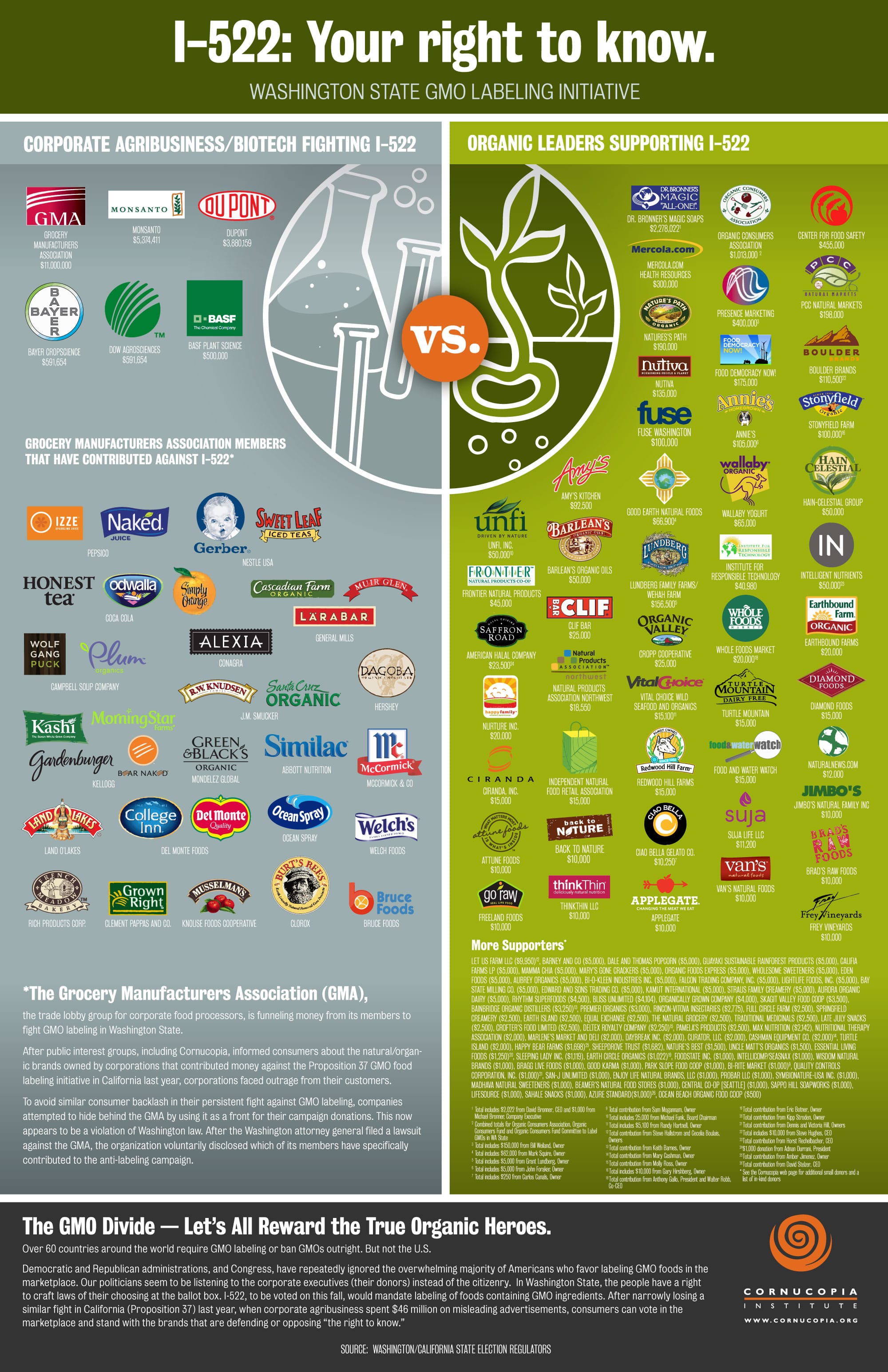
Remember, the food companies on the left of this graphic spent tens of millions of dollars in the last two labeling campaigns—in California and Washington State—to prevent you from knowing what's in your food. You can even the score by switching to the brands on the right; all of whom stood behind the I-522 Right to Know campaign. Voting with your pocketbook, at every meal, matters. It makes a huge difference.
I-522 poster
As always, I encourage you to continue educating yourself about genetically engineered foods, and to share what you've learned with family and friends. Remember, unless a food is certified organic, you can assume it contains GMO ingredients if it contains sugar from sugar beet, soy, or corn, or any of their derivatives.

If you buy processed food, opt for products bearing the USDA 100% Organic label, as organics do not permit GMOs. You can also print out and use the Non-GMO Shopping Guide, created by the Institute for Responsible Technology. Share it with your friends and family, and post it to your social networks. Alternatively, download their free iPhone application, available in the iTunes store. You can find it by searching for ShopNoGMO in the applications.

For more in-depth information, I highly recommend reading the following two books, authored by Jeffrey Smith, the executive director of the Institute for Responsible Technology:
For timely updates, join the Non-GMO Project on Facebook, or follow them on Twitter.

Please, do your homework. Together, we have the power to stop the chemical technology industry from destroying our food supply, the future of our children, and the earth as a whole. All we need is about five percent of American shoppers to simply stop buying genetically engineered foods, and the food industry would have to reconsider their source of ingredients—regardless of whether the products bear an actual GMO label or not.

Link:  http://articles.mercola.com/sites/articles/archive/2014/02/04/roundup-glyphosate-toxicity.aspx?e_cid=20140204Z1_DNL_art_1&utm_source=dnl&utm_medium=email&utm_content=art1&utm_campaign=20140204Z1&et_cid=DM38971&et_rid=417779972.